horse health

-
Exploring protein’s link to herpesviruses
Herpesviruses are nothing new, but what’s surprising are their sheer number: 130 species of herpesviruses infect and cause disease in a wide variety of species — including people. Scientists still have a lot to learn about herpesviruses and how they establish infection. Host cells naturally have antiviral defence strategies to prevent infection, and viruses must counteract these cellular defences in …
February 18th, 2023 Full story »

-
Hormone baseline takes shape
As the percentage of older horses in Western Canada grows, so does the number of animals that are diagnosed with endocrine disorders such as pituitary pars intermedia dysfunction (PPID) and equine metabolic syndrome (EMS). That’s why establishing a hormone baseline for diagnosing these diseases in western Canadian horses has become essential, says Dr. Julia Montgomery, an associate professor at the …
February 18th, 2023 Full story »
-
Iodine important in pregnant mares’ diets
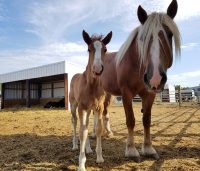
When it comes to bringing new horses into the world, mare care and particularly mare nutrition should be a top priority for horse owners — a mother’s diet during pregnancy can drastically impact the health of her foal. A multi-year study led by Dr. Claire Card at the Western College of Veterinary Medicine (WCVM) is aimed at ensuring that mares …
November 25th, 2022 Full story »
-
Vet earns PhD degree and research prize
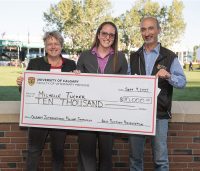
Through hard work and perseverance, equine surgical specialist Dr. Michelle Tucker has earned her PhD degree as well as a $10,000 prize for her research achievements at the Western College of Veterinary Medicine (WCVM). Tucker is one of 17 WCVM-based graduate students who will receive their Doctor of Philosophy (PhD) degrees at the University of Saskatchewan’s Fall Convocation on Nov. …
November 10th, 2022 Full story »

-
TEHRF research grants: 2022-23
Three equine health research studies, which involve scientists at the WCVM and their collaborators, received a total of $51,607 in support from TEHRF. Is Chlamydia psittaci causing equine abortions in Canada? Drs. Bruce Wobeser and Madison Ricard, WCVM WCVM researchers are investigating the prevalence of Chlamydia psittaci (C. psittaci) in aborted horse placentas. This bacterial pathogen causes psittacosis, a disease …
October 08th, 2022 Full story »

-
Horse Health Lines (Fall 2022) now online
The Fall 2022 issue of Horse Health Lines, news publication for the Western College of Veterinary Medicine’s (WCVM) Townsend Equine Health Research Fund, is now online. Click here to view the Horse Health Lines (Fall 2022) issue. You can also download the PDF or view the publication as part of the Fall 2022 issue of Canadian Horse Journal. Here’s a …
October 07th, 2022 Full story »

-
Equine abortions: Chlamydia a culprit?
When veterinarian Dr. Madison Ricard came to the Western College of Veterinary Medicine (WCVM) for her anatomic pathology residency program in 2020, she had no idea that her research would potentially have an impact on the veterinary profession and the horse industry at large. Depending on what she and veterinary pathologist Dr. Bruce Wobeser — her graduate supervisor at the …
October 06th, 2022 Full story »

-
Practical veterinarian
Coming to Canada for an equine residency meant starting over for Dr. José Antonio Guerra. Guerra had already become a professor at Universidad Autónoma del Estado de México outside of Mexico City, Mexico, after earning a master’s degree at the Universidad Nacional Autónoma de México (UNAM). He oversaw a new equine hospital — and he finally owned the horses he’d …
October 06th, 2022 Full story »

-
Vitamin E a must for horse health
Horses need to eat their greens, too — and if they can’t get the proper nutrients through grazing, it’s important for owners to be aware of how to ensure nutritional needs are met. One important nutrient for horses is vitamin E. This powerful antioxidant keeps equine muscle and nerve cells healthy and helps to support the immune system. Because horses …
March 06th, 2022 Full story »

-
Dr. Duke’s 30-year legacy
In 1999, Dr. Tanya Duke-Novakovski travelled to Leipzig, Germany, for a one-year sabbatical leave from her role at the Western College of Veterinary Medicine (WCVM). The veterinary anesthesiologist’s goal during her stay in the former east German city was to help curb the number of horses that died after surgery in the Universität Leipzig’s large animal clinic. The problem was …
March 06th, 2022 Full story »